In the great frost in 1683, the trunks of oak, ash, walnut, and other trees, were miserably split and cleft, so that they might be seen through, and the cracks often attended with dreadful noises like the explosion of fire-arms.
In this video, we uncover why this happens, which trees are most at risk, and how nature survives brutal cold. Perfect for winter science lovers, curious minds, and nature enthusiasts!
If you live in a wooded area, you’ve probably heard treespopping and cracking during a deep freeze. It’s an eerie sound on an otherwise still night. Native peoples from northern regions were...
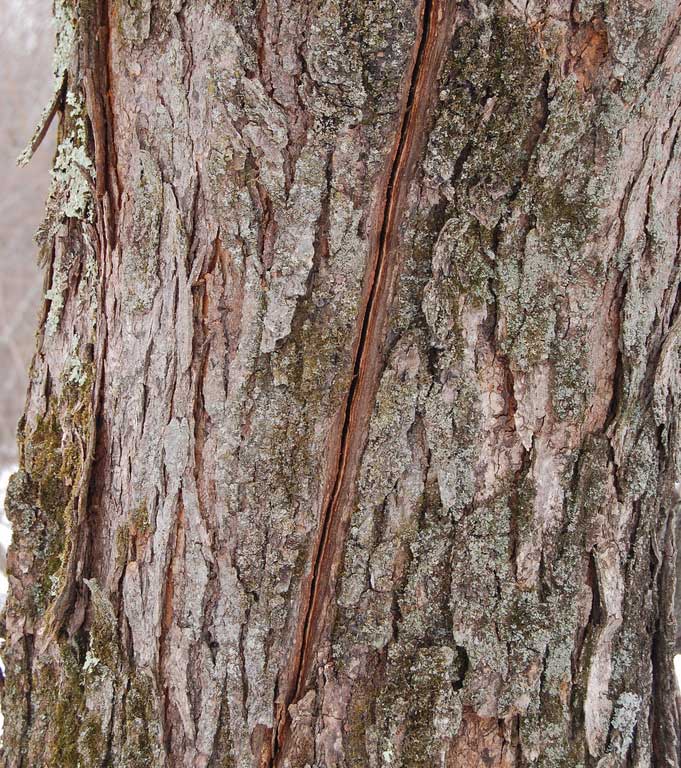
Extreme cold can cause thin-skinned tree trunks to crack vertically, leading to potential exploding trees. This phenomenon occurs when frozen sap expands, increasing pressure on the bark and causing sudden splits, which can resemble a gunshot sound.
In the novel Lorna Doone, the author RD Blackmore wrote about treesexploding on Exmoor during an intensely cold winter. The novel was based on the winter of 1683-84, one of the coldest winters on record in England.
If you live in a wooded area, you’ve probably heard treespopping and cracking during a deep freeze. It’s an eerie sound on an otherwise still night. Native peoples from northern regions were very familiar with this sound, and some even named one of the winter months in honor of it.
Frost cracks are caused when the inner and outer wood in the tree’s trunk expands and contracts at different rates when temperatures change. This happens when winter temperatures plummet below zero especially after a sunny day when a tree’s trunk has been warmed by the sun.
According to Texas TV station KXAS-TV, the local NBC affiliate in Dallas, winter storm Landon was so cold that it caused trees across north Texas to “explode,” filling local communities with...