An automation framework is a structured set of guidelines, best practices, tools, and libraries used to create and execute test cases effectively. Think of it as a blueprint or architecture that helps automate repetitive testing tasks with minimal human intervention.
An enterprise-wide automationframework is a set of guidelines and best practices to systematically integrate automation across various business units and processes.
An automationframework is a centralized structure providing guidelines, coding standards, concepts, processes, practices, project support modules, reports, and tools to automate software testing, enabling efficient, repeatable, and maintainable test scripts. The realm of software testing has evolved dramatically.
A Test AutomationFramework is a set of guidelines like coding standards, test-data handling, object repository treatment etc… which when followed during automation scripting produces beneficial outcomes like increased code re-usage, higher portability, reduced script maintenance cost etc.
Automationframeworks can help. Keep reading to learn the basics of test automationframeworks and how automation can help you release faster. What Is an AutomationFramework? A test automationframework is just that — a framework from which you can automate tests.
Before discussing the types of test automationframeworks, let’s see what is a framework. What is a Framework? A framework defines a set of rules or best practices that we can follow in a systematic way to achieve the desired results.
An automationframework is a carefully designed structural blueprint that facilitates the automation of software testing processes. Implementing an automationframework offers several benefits to organizations and software development teams. Let’s explore some of the key advantages:
Automation Framework is a set of guidelines, rules, and tools that are used to automate the testing of software applications. It provides a systematic approach to automate the testing process, allowing for the creation of reusable test scripts, test data management, and test reporting.
Automationframeworks are more than just a set of tools; they are structured approaches to testing that help streamline the testing process. They offer benefits like: Consistency: Standardize testing procedures across projects. Efficiency: Reduce repetitive tasks with reusable test scripts.
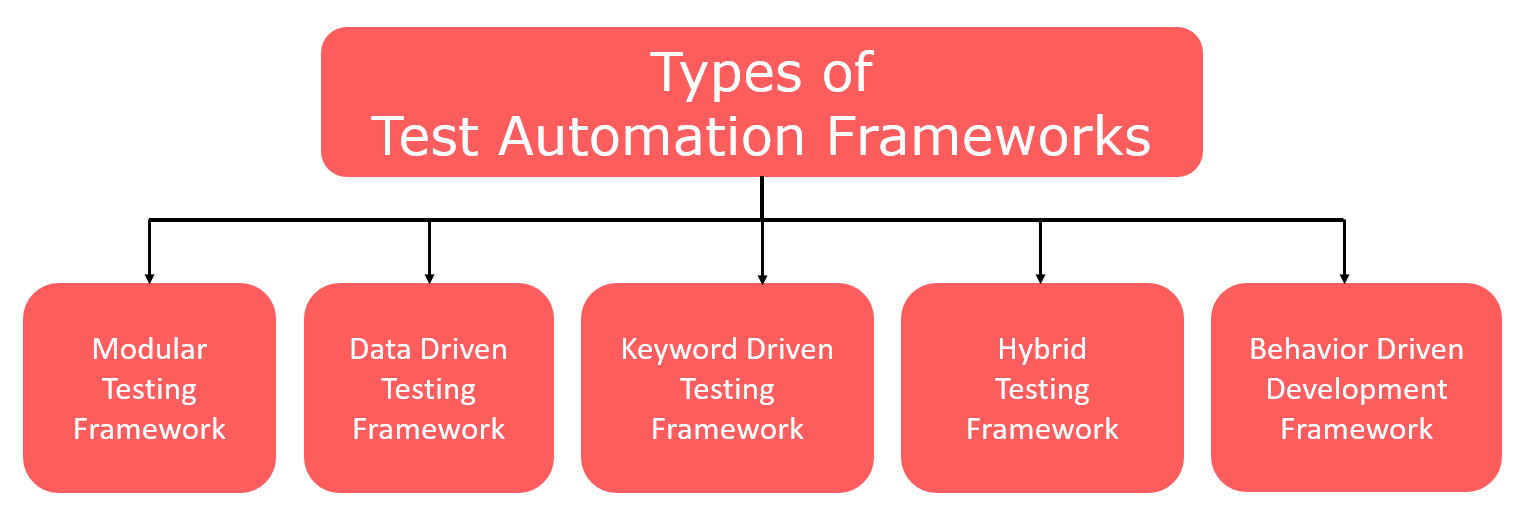
There are six common types of test automationframeworks, each with their own architecture and differing benefits and disadvantages. When building out a test plan, it’s important to choose the framework that is right for you.